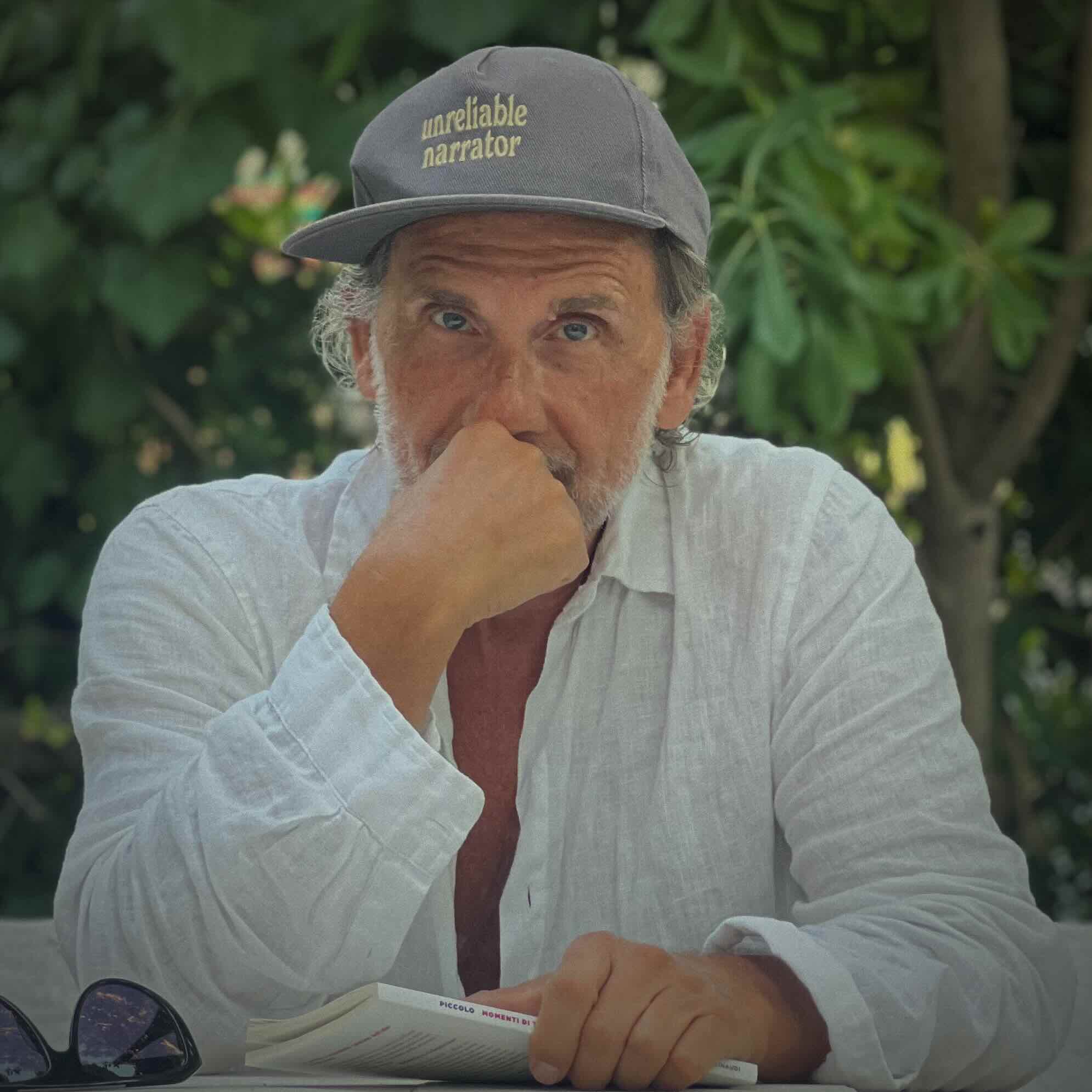
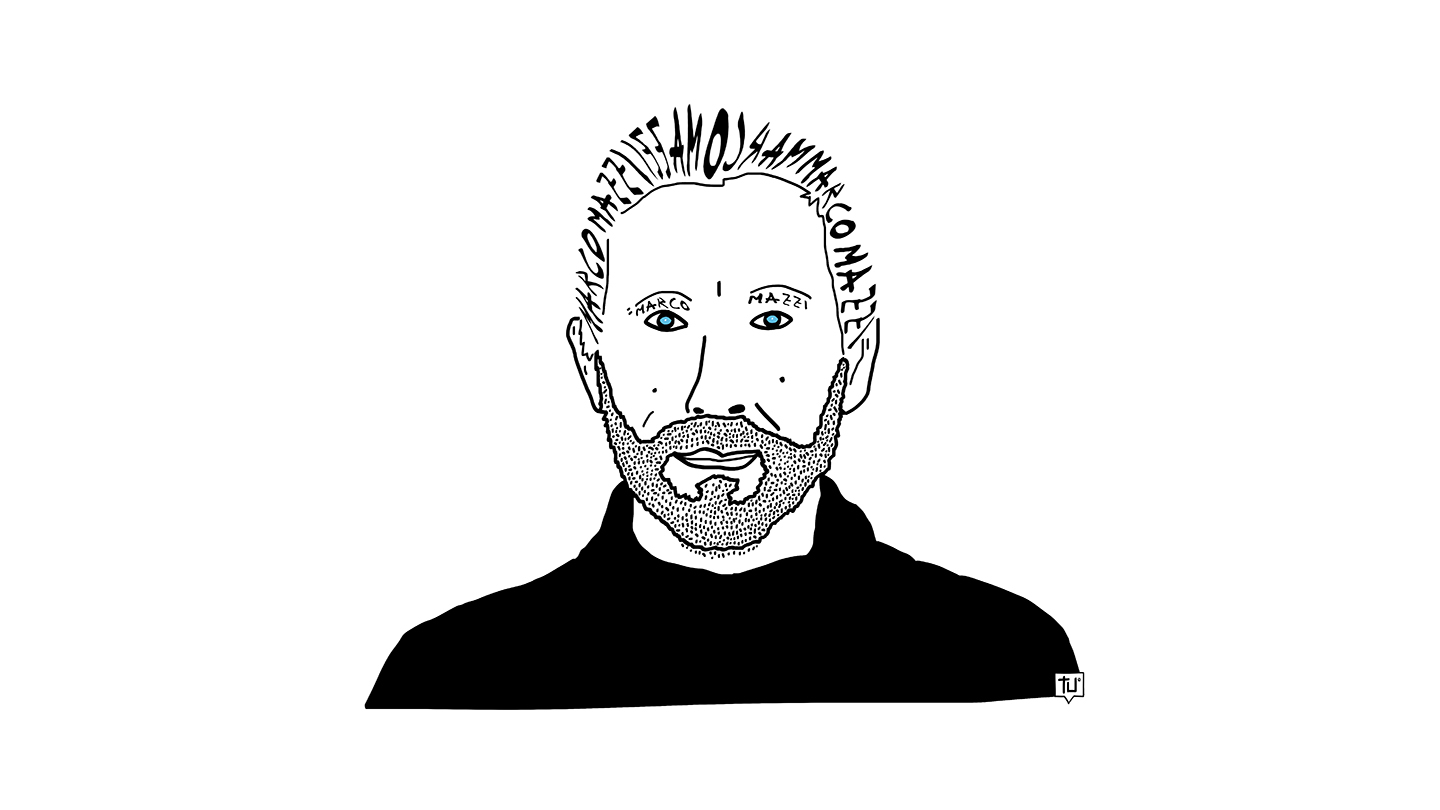
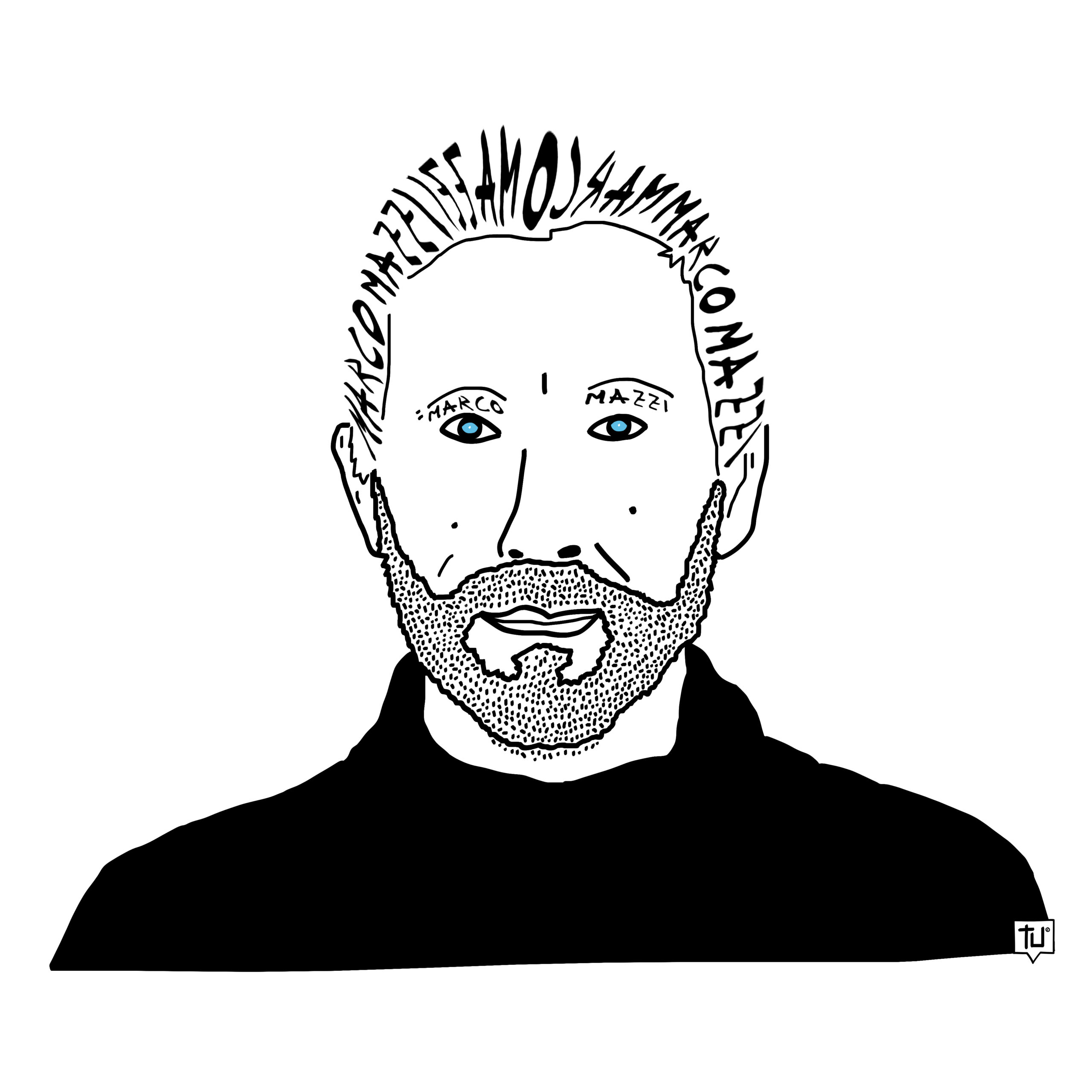


Marco Mazzi Q&A
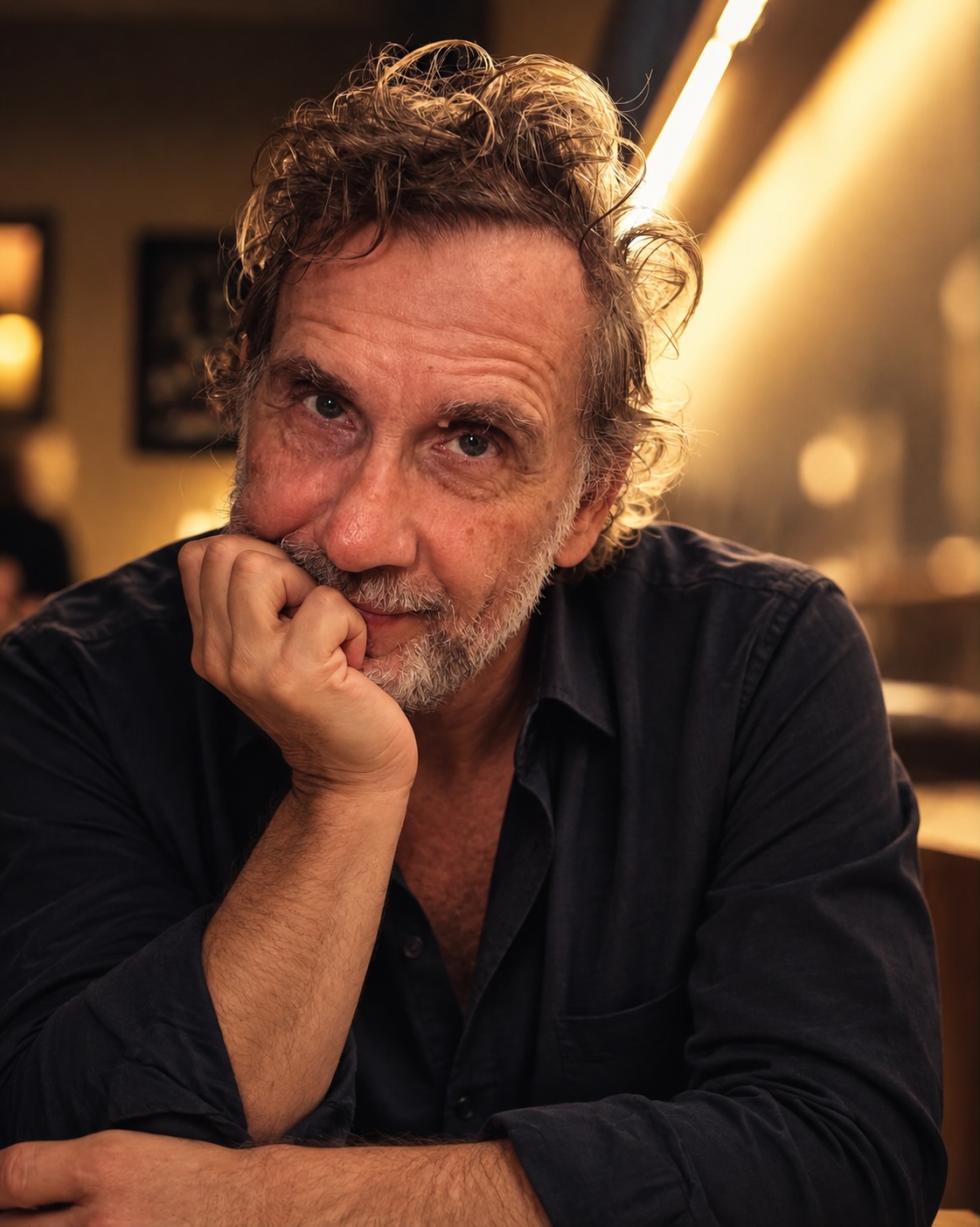
-Ciao Marco, it’s a pleasure to have you here. How are you today, at this very moment in your life? Then please, take your time and paint us a picture of who you are, the way you’d describe yourself to someone you’ve just met who’s curious to know more about you.
- Hi Giuseppe. A while ago, I read about a job interview at a publishing house. The candidate had prepared very carefully. He really wanted the job and didn't want to mess it up. He got up early that morning, had breakfast and put on the best suit in his wardrobe, the one his mother had carefully ironed the night before. A blue double-breasted suit. To dress it down, he paired it with a white T-shirt and a very well-worn pair of white Stan Smiths. On the way there, he kept rehearsing his speech in his head, convinced they'd want to know all about him. When he arrived, he discovered that the entire HR department was tied up in a meeting. He had to wait over an hour. During that hour, he read, wrote, thought and sweated. This was the opportunity of a lifetime, and he didn't want to lose it for anything in the world. Finally, they called him in. He walked in. Sat down. The desk was empty. No computer, no laptop, no phone. Not even a sheet of paper or a pen. The HR manager stared at him in silence for a long time. Then, at one point, he asked, ‘Describe yourself in three words.’ The candidate replied, ‘I am lucky.’ Well, Giuseppe, if I had to describe myself today, at this very moment in my life, I think I'd choose those same three words: ‘I am lucky.’ Not because life has spared me hardship, illness, disappointment, pain, anxiety or worry, but because, despite everything, I still believe I have far more reasons to be grateful for it than to complain about it.
-We know that your love affair with music began with cassettes smuggled home from friends' trips abroad, and with the first crackling broadcasts of Radio Milano International. Do you remember the first sound that rewired your brain, the one that made you think, "this is what I want to be near for the rest of my life”?
- The first sound was the voice. I fell in love with that extraordinary ability to ride the rhythm without getting in the way of the melody. That knack for stopping just a moment before the singing begins. What fascinated me then, and still fascinates me today, is the DJ's technical skill: the ability to talk, but above all to know what to say and when to say it. I love the way a radio show starts, how a DJ introduces a record, how they greet listeners and how they sign off. A radio DJ has the power to make you fall in love with the music they're playing, just like a DJ behind the decks. Because music isn't just about what you play, but how you play it. The very same tracks, in the very same order, won't necessarily sound the same when played by me or by a superstar DJ. They won't stir the same emotions. That's where the talent lies. Otherwise, anyone could do it.
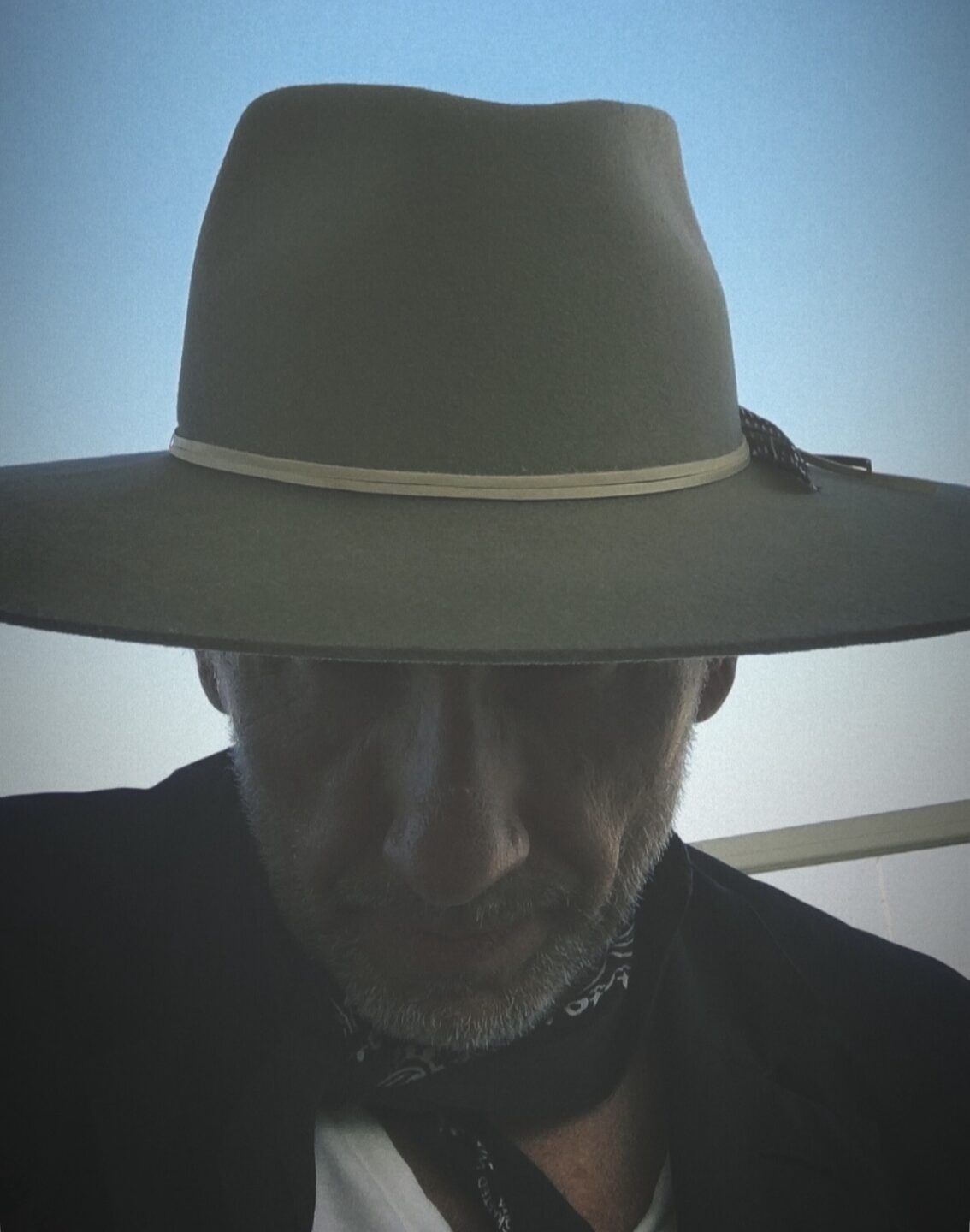
-Your work lives in the details: the right mixer under the right hands, the setup that makes an artist feel at home. Are you a born perfectionist?
- Whatever the job, it takes sensitivity. I'm not a perfectionist, I'm an aesthete. I like beautiful things. I love poetry, the hidden meaning in things, the message that goes beyond what we see or hear. I'm not looking for perfection; I'm looking for what's right. And those aren't necessarily the same thing. For me, it's not about choosing from what I can afford, but recognising what I really need, what's right for what I'm trying to achieve. And if I can't afford what I believe is right and necessary, I simply don't choose anything. I don't like compromises, just as I don't like beating around the bush. I'm a straightforward person. I call a spade a spade. Because I believe sensitivity isn't about trying to do everything perfectly, but about recognising what's worth doing. And sometimes finding the courage not to do it at all.
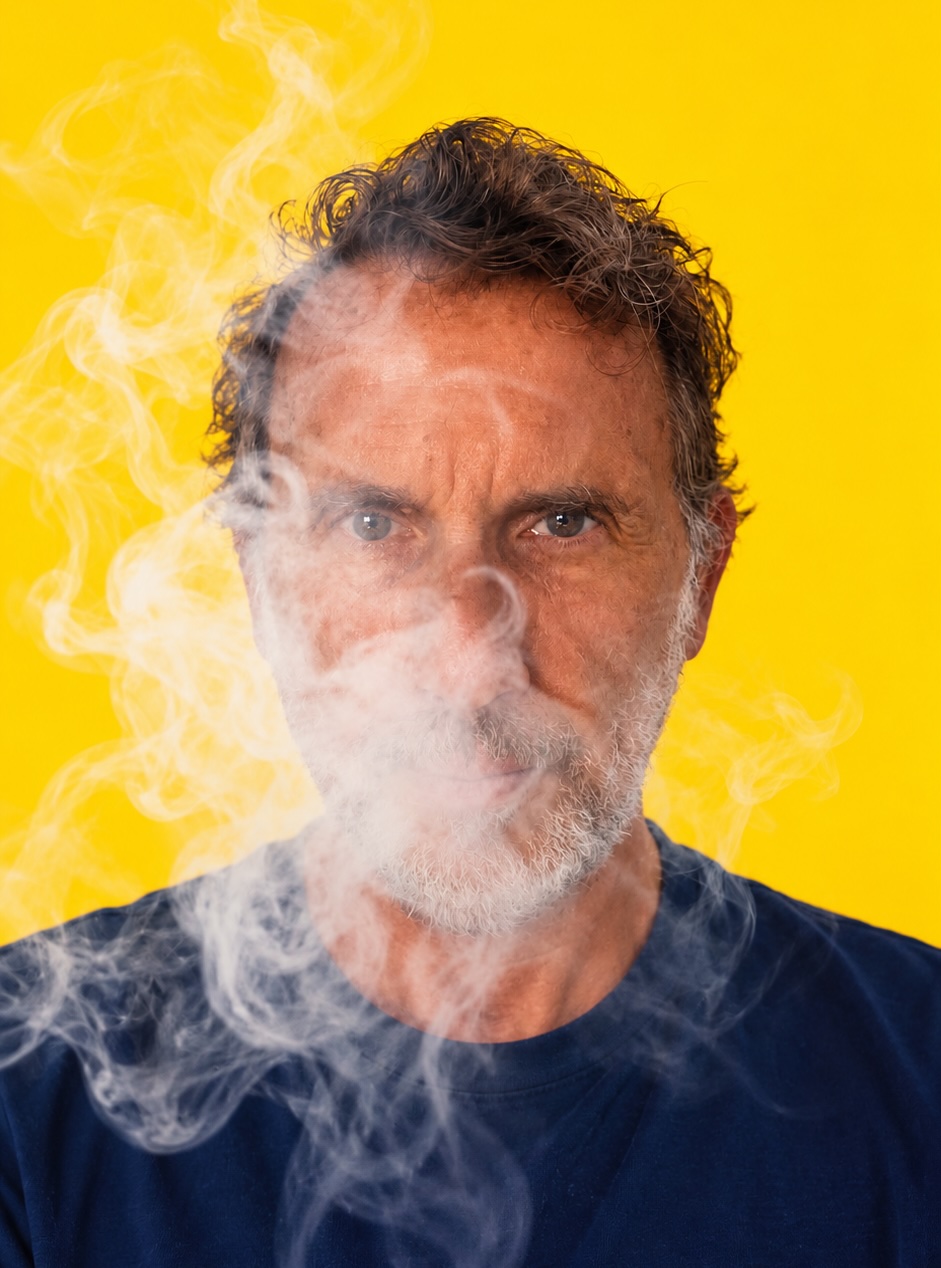
-So, we get the sense that you’re an aesthete at heart. By your own account, nobody steps into an art gallery and feels like acting like an idiot, which says a lot about how you rate the power of beauty. Do you believe that it can save the world, and where do you see it in your everyday life?
- As I said earlier, I am. But I'm no Petronius. Being an aesthete doesn't just mean loving beauty. It means placing value on form, gestures, manners, behaviour, and everything that accompanies our actions and gives them meaning. To me, being an aesthete also means rejecting stupidity, narrow-mindedness, prejudice, baseless judgement, attempts to discredit others and vulgarity. All the things that, ultimately, go against common sense and respect for other people. I'm someone who respects the right time and the right way to do things. And I expect the same respect in return. I don't know whether beauty will save the world, but I'm convinced that, in many cases, it can teach it something. You rarely see someone shouting, laughing obnoxiously or behaving rudely in a church, a museum, a theatre or in front of a great work of art. Because certain places, works and expressions of beauty seem to ask you, without saying a word, to change your attitude. To lower your voice, to look, to listen, to show respect. Beauty has that power too: it reminds us that we're not always the centre of everything. Majesty makes you feel small.
-Let’s talk about words on paper. How did your journey with DJ Mag begin? Was it a calculated move, or one of those happy accidents? How do you navigate your relationship with publishing in this new landscape, without losing the soul of the printed page?
- DJ Mag Italia came out of a gap in the publishing landscape. Around the mid-2000s, a space had opened up in Italy as publications covering DJs, electronic music and DJ technology disappeared from the scene. Drawing on the network of international contacts I'd built over the years, I approached DJ Mag UK with the idea of publishing an Italian edition. After two years of meetings, conversations and discussions, we released our first issue in May 2010. It wasn't a stroke of luck, nor was it the result of some cold business calculation. It came from the conviction that this world deserved to be covered with the credibility and quality of a proper journalistic publication. Since December 2018, DJ Mag Italia has no longer been available on newsstands; it's become an entirely digital editorial project. But changing the medium hasn't changed its soul. A publication isn't defined by the paper it's printed on, but by the quality of the stories it tells and, above all, how it tells them. And that, in my view, is what sets us apart from the many fanzines, blogs and other publications out there online. The editorial team at DJ Mag Italia is made up of outstanding writers, people with a remarkable command of the Italian language who write beautifully. And I believe that even people who aren’t particularly passionate about electronic music or DJing can recognise and appreciate the quality of the writing and the content we publish at DJ Mag Italia. Let me tell you something I often repeat because it makes me very proud. One day, the father of a former subscriber wrote to me. He said, ‘I don't understand anything about this world, but I'm glad my son is so passionate about your magazine, because it's so well written. And even if he never becomes a DJ, I hope this passion makes him fall in love with reading.’ I think that's the greatest compliment you can receive in this line of work. Through music, we managed to pass on something that goes beyond music itself.
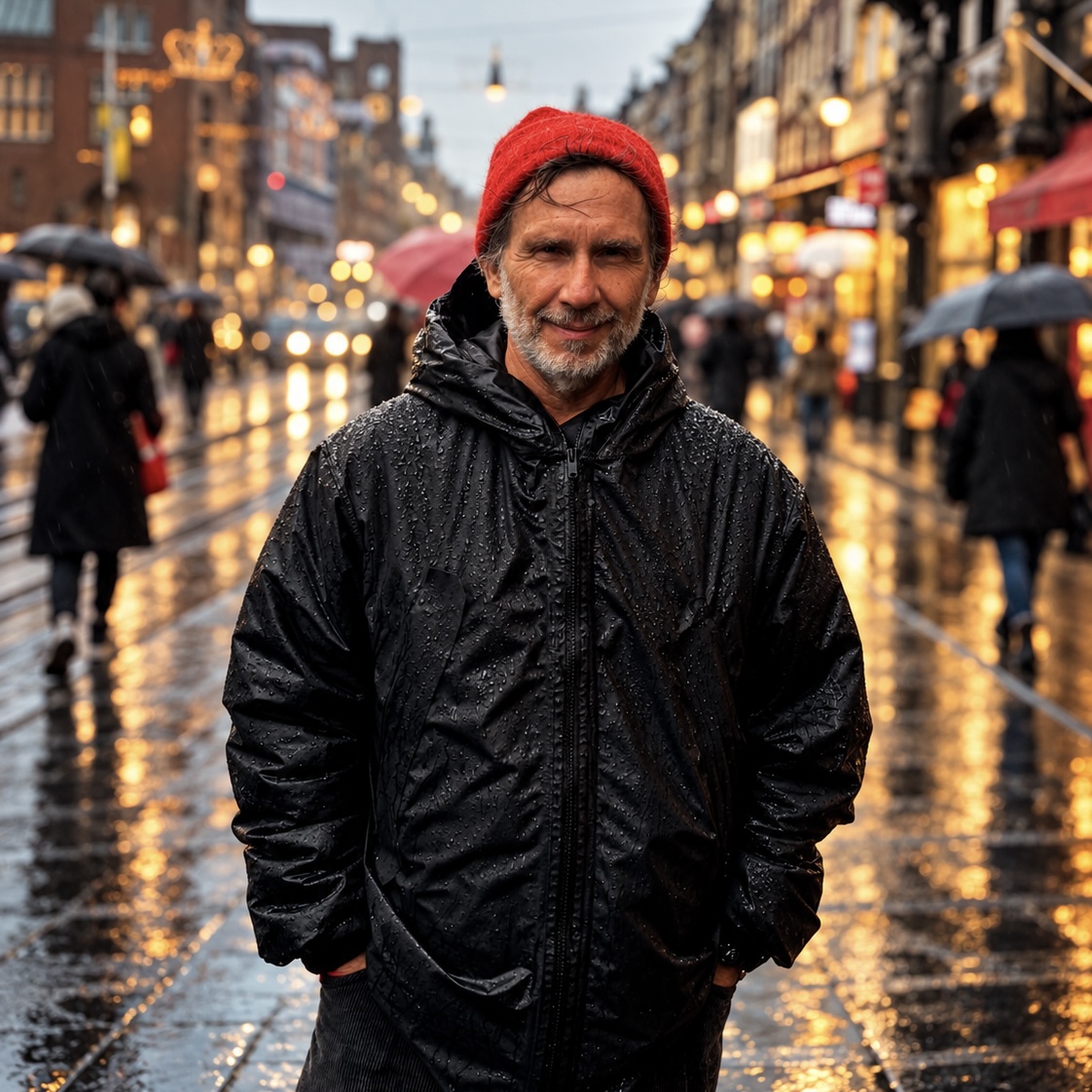
-They say a mask is the quickest way to tell the truth. Raimondo Gariboldi, the character you played in Fabio Volo’s 2018 series Untraditional, has found a second life on your Insta. Where does Raimondo end and Marco begin, and is there something Raimondo can say that Marco never would?
- Raimondo is my inner voice, my conscience. The only person who truly knows me. The one I trust blindly, turn to for advice and can confide in without worrying about being judged. Raimondo doesn't show off, doesn't act as though he has a monopoly on the truth, and doesn't presume to give advice or teach anyone anything. He says what he thinks without worrying too much about what other people might think of him. Raimondo says the things we keep to ourselves. Not because we don't think them, but because, as we grow up, we learn to weigh our words, control our reactions and respect conventions. Raimondo, on the other hand, couldn't care less. He's spontaneous, irreverent, sometimes even inappropriate. But he's sincere. And I think that's exactly why people like him. Raimondo is the child within each of us.
-At the mainstream level, at least, the scene seems to be drifting from clubs towards festivals, from sweaty basements to vast open fields. Has the underground changed along the way, or is it still doing what it has always done? And where do the new generations of clubs and dancers find their place between these two worlds?
- I imagine you're referring to the new ways people go out and have fun. Daytime soft clubbing, which has shifted electronic music, DJ sets and dancing from nighttime to morning, has managed to connect with a very specific audience by offering a different way of experiencing music and socialising. But I don't see it as competition for the clubbing we know. It's simply another expression of the same culture. Today, more than ever, there's no room for doing things half-heartedly or just making it up as you go along. Nightclubs still exist, of course, fewer than in the past, but the ones that stand out are increasingly real clubs: places with their own identity, their own culture and their own audience. As it should be. There are no easy wins anymore. Booking an outrageously expensive guest DJ isn't enough to fill a venue. You need credibility. And credibility is built through consistency, continuity, knowledge and, above all, ideas. The same goes for festivals. A new one pops up every year, often with line-ups that end up looking much the same. But ultimately, what makes the difference isn't necessarily who has the biggest line-up or the biggest budget. It's who has an idea. Because you can change the venues, the hours, the scale and even the audience's habits. But what gives a music project its value will always be its identity.
-Let’s play a game: build your ideal DJ booth, with no limits on budget or era. What goes in it, what stays out, and what is the one thing you would never let a machine do for you?
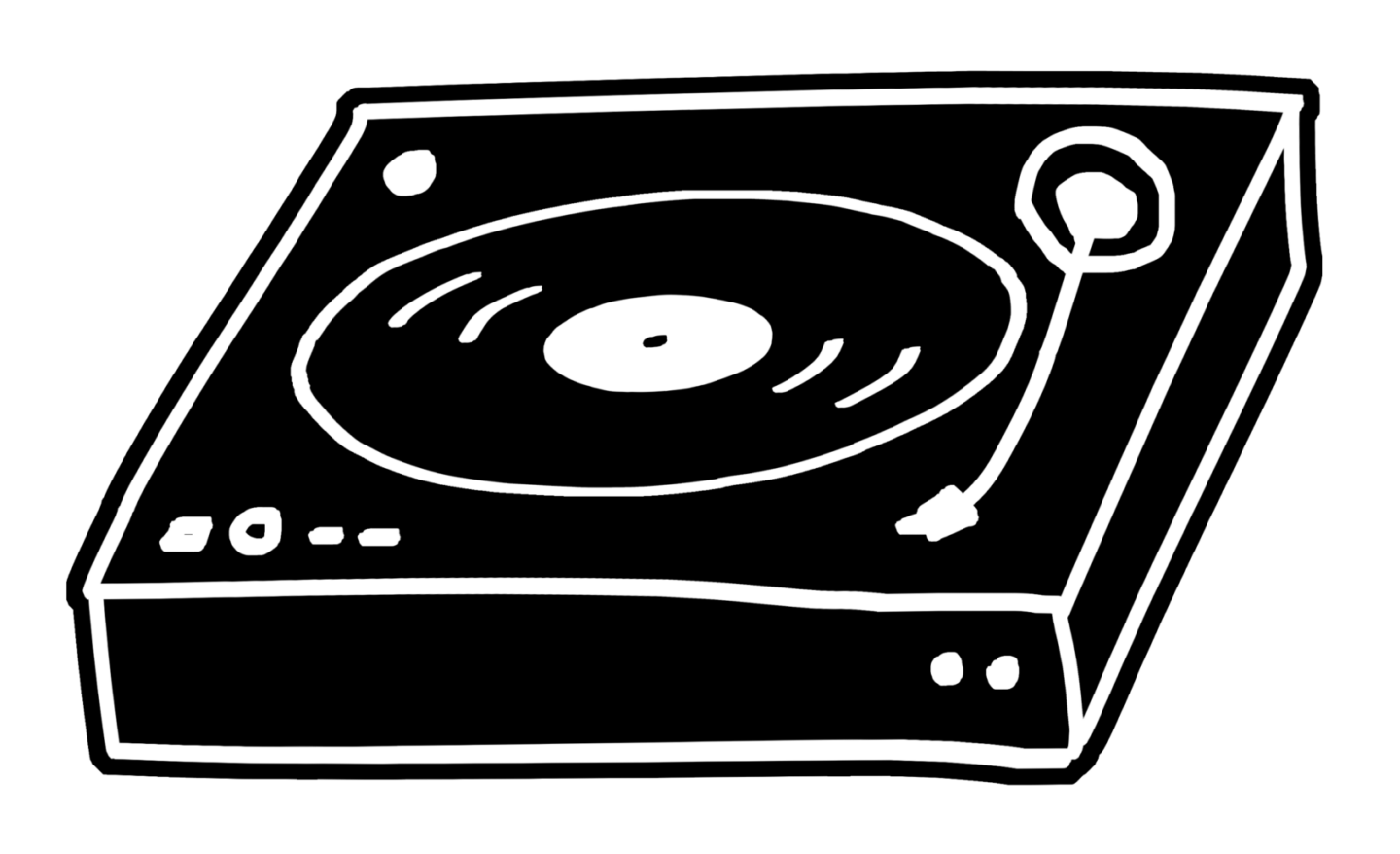
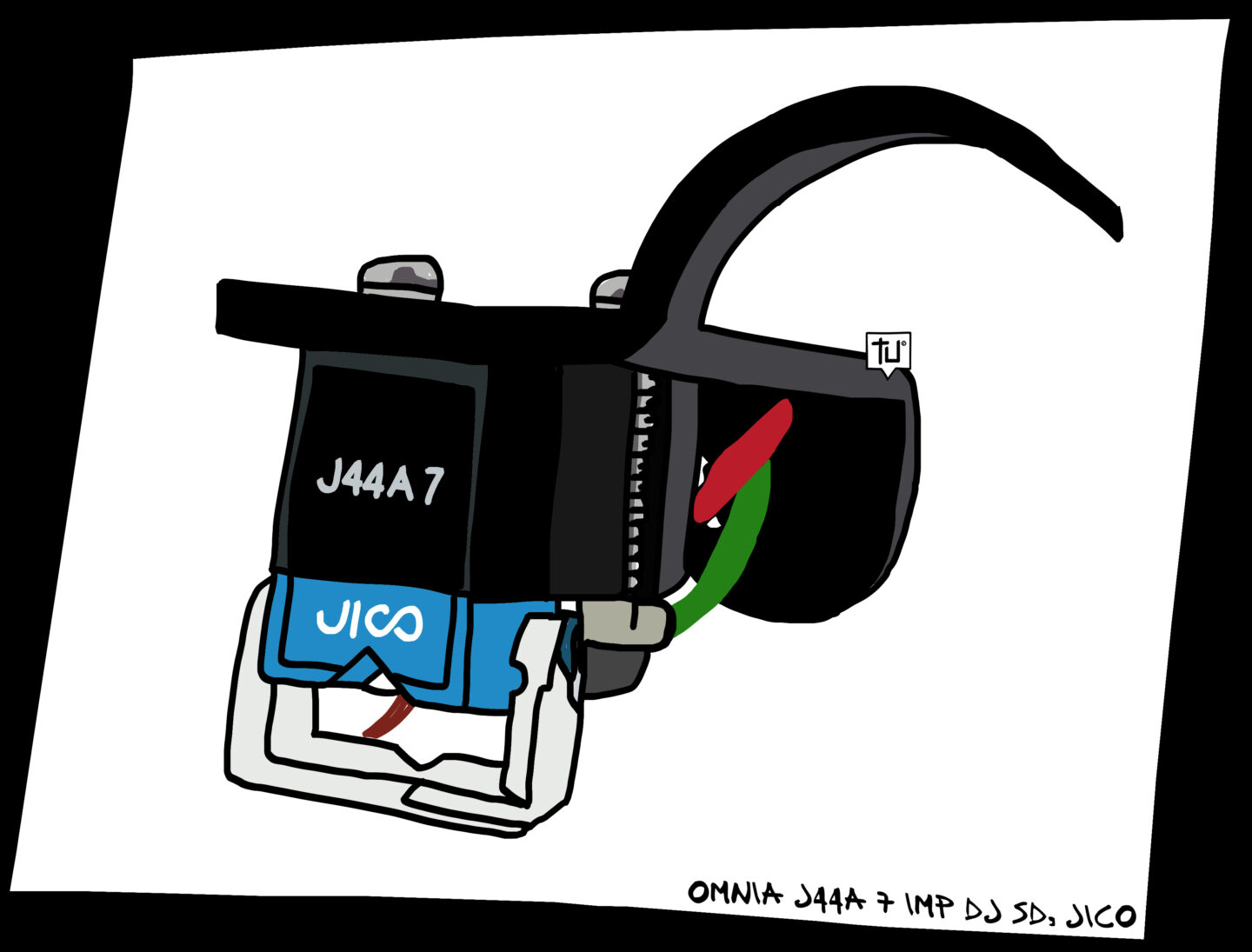
- There's one thing I firmly believe: the moment a DJ starts handing over to a machine what they should be doing themselves, we're heading down a dangerous road. Because when the next real generational shift comes, the machine will take over, and the DJ as we know them may cease to exist. And let's be honest: all this digital technology is getting tiresome. It's all too much. There's too much of it. I'd genuinely like to know how many DJs can make full use of everything the latest digital DJ setups are capable of. Don't get me wrong, I'm not against technology, of course not, but there's a limit to everything, and I think there's a big difference between using a tool to express your talent and letting the tool replace your talent. And then there's the technical skill, the physical gestures, the way you carry yourself behind the decks. Nothing puts you more firmly at the centre of the action than a turntable. Nothing. No amount of video or lighting effects can compete. When you play on a turntable, you can see it and you can hear it. That said, my ideal setup would have two Technics MKX turntables, the latest word in professional turntables. For the first time in its history, Technics has reworked its most iconic turntable, the legendary ‘twelve-hundred’ that's been around since 1972, and, without taking anything away from the MK7, has managed to turn it into something that goes beyond even the state of the art. Then I'd choose a boutique mixer. A piece of equipment built with care and expertise by people who've helped write the history of this industry. I'm thinking of Urei, Bozak, Alpha Recording System or Union Audio, with the brilliant Andy Rigby-Jones behind it. Finally, the cartridges. There's a Japanese brand today that's revived the historic Shure designs and, if anything, improved on them, adapting them to the needs of the latest generation of vinyl and acetate records. It's called JICO, and in just a few years it's become a real cult brand. So I'd complete my Technics setup with two JICO cartridges fitted with pure diamond ‘nude’ styluses. I don't know whether it would be the most expensive or technologically advanced DJ booth in the world, but it would certainly be the right one to put DJs back where they belong: at the very heart of the music.
-You’ve always favoured a quiet life, in an industry built on nightlife, spotlights and social spectacle. How have you managed to earn your place at the table without being a “socialite”?
- I ask myself the same question. :-) Basically, everything I've achieved has come as a consequence of who I am, not of who I've tried to be. I've never used anyone. I've never deceived anyone. I've always tried to be fair, responsible and generous. Perhaps that was enough. Popularity is a job I don't know how to do. One thing has always saved me: my lack of awareness.
-Finally, tell us what your perfect day would look like, from the moment you open your eyes to the moment you close them again.
- I really like keeping to myself. That doesn't make me a hermit or a loner. Quite the opposite. There's a place very close to my heart, a little retreat that, for now at least, I'd rather not reveal too much about. My ideal day would be there, with the people I love. Wake up whenever I wake up, early or late. Breakfast, the newspaper, lunch, a nap, a game of cards, dinner around six and a trip to the cinema. At seven-thirty, though. Otherwise I'll fall asleep. Everything else is just air moving around.
Now some of our classic rapid ones:
-If you were a city, which one would you be?
- Cesenatico.
-A geometric shape?
- Confusion.
-An object?
- A Vespa 125 ET3.
-If you were a time of day?
- 8 pm.
-And if you were a piece of DJ equipment?
- A turntable
-Which quality do you value most in a person?
- Goodness
-Which album do you never skip a track on?
- Alberto Camerini by Alberto Camerini, Rudy e Rita by Alberto Camerini, Rockmantico by Alberto Camerini
-If you were a smell, which one would you be?
- The smell of freshly baked bread
-And if you were a color?
- Transparent.
-And a sport?
- Monopoly.
-Finally, what is the question nobody has ever asked you, the one you've always secretly wished someone would?
- “Can I have your IBAN so I can send you some money?”
-Grazie Marco, thanks so much for this chat, it’s been a real pleasure.