

LVCA Q&A
-Hey Luca, how's it going?
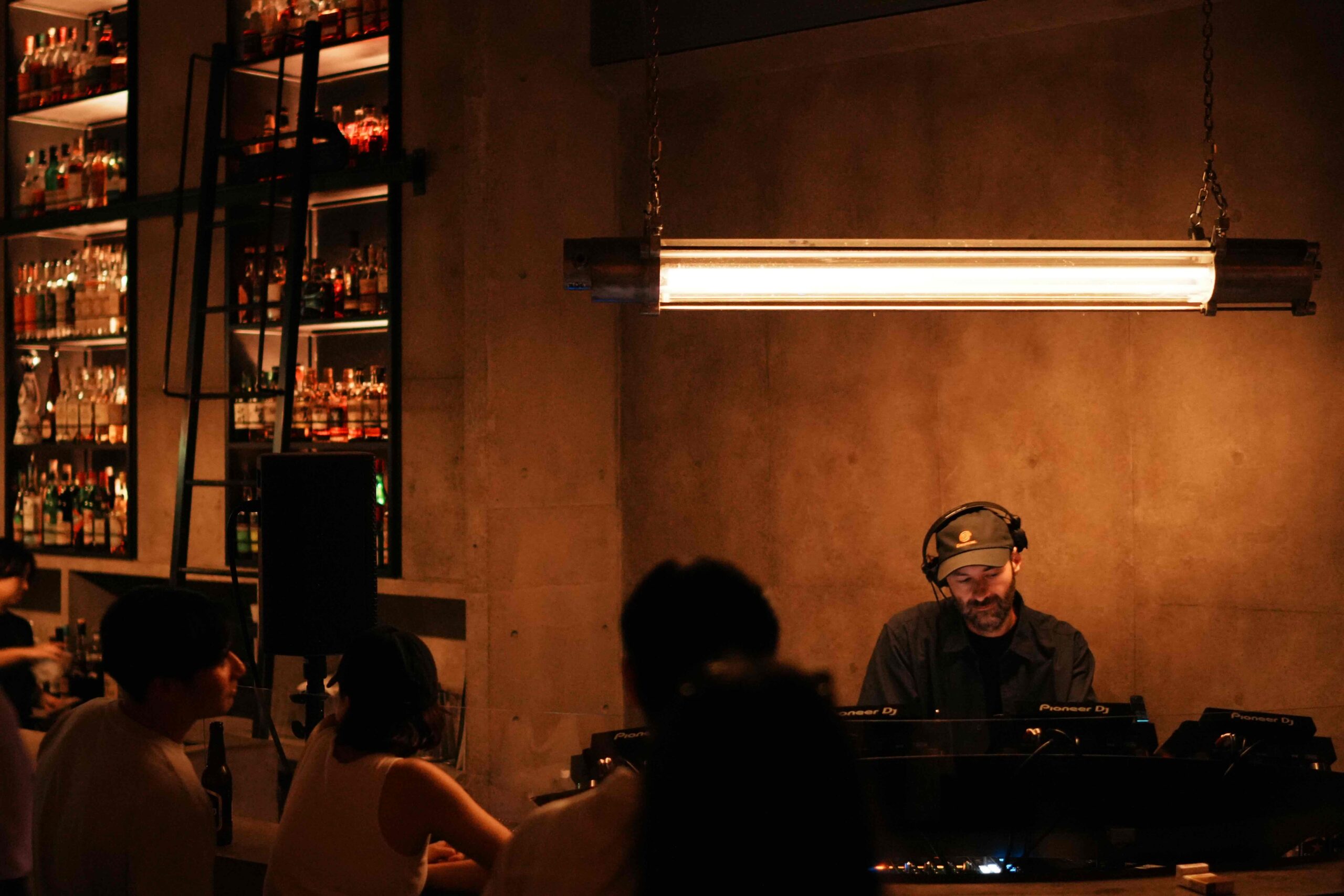
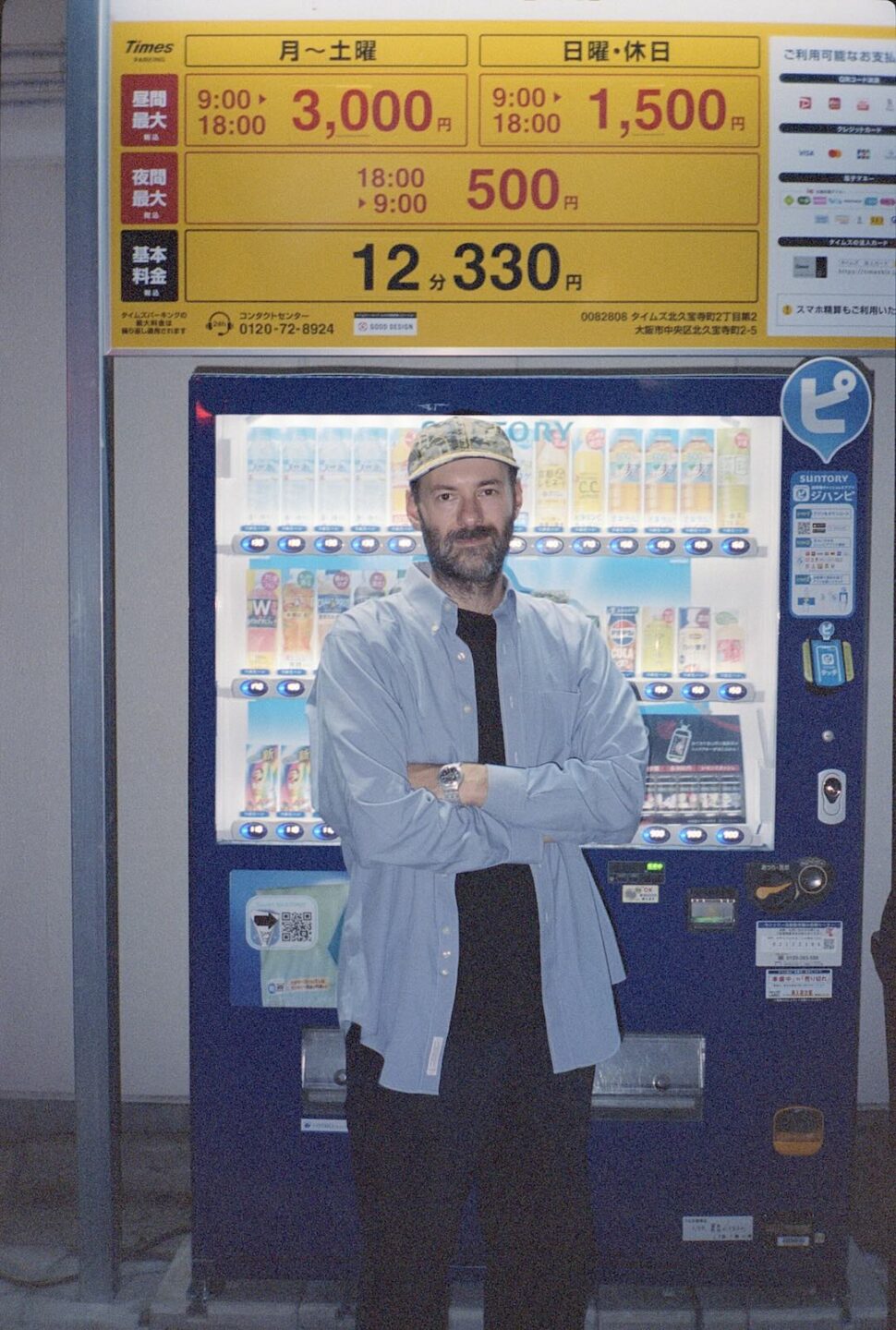
- Really good. I've just come back from the first part of a long trip to Japan, where I was lucky enough to stay a month and a half, and I'll be heading back again soon. What made the whole experience even more intense and unique was touring and playing in different cities. There's a very particular human side to clubbing: the long nights, the dancefloors, the intimate spaces, the random encounters, and all those things that can only happen at certain hours, in certain places. These are experiences and connections that are hard to put into words, but they leave something deep and special with you, something you carry long after you've made it back home. I can’t wait to go back!
-We usually don’t have a timeline to follow so let’s begin by talking about your kids: Sabotage and COMB as, sometimes, what we do says a lot about who we are. Explain these two stories to an alien who's just landed on Earth. Do the two worlds actually overlap, and if so, how?
- First and foremost, it all comes from my passion for music, digging and experimentation. That's where Sabotage started, as a project built around musical research and sharing it with an audience. Today, Sabotage is mainly active in Milan through events, talks, radio shows and a collective of DJs that we try to support and help grow along their artistic journeys. COMB, on the other hand, was founded in 2015 with a business partner, as a way to give a more structured and professional dimension to these kinds of activities. It's a company working across different areas of creative and music production. Essentially, Sabotage represents the more free, more artistic and experimental side of what I do, while COMB is a broader professional structure that allows us to develop our own projects and collaborate with other people and organisations.
-Co-founder, creative director, resident DJ: which hat is the most annoying when the alarm starts ringing in the morning (if you set an alarm at all)?
- Running a company comes with constant pressure and responsibility. It's a lifestyle choice, and I can't say it's necessarily the best one in every aspect. On one hand, there's the satisfaction and freedom of building something of your own and watching it grow. On the other, there's a constant sense of insecurity, uncertainty and endless obligations that can sometimes kill your enthusiasm. So, to answer your question, the hat that weighs on me the most is definitely the one I wear as a company co-founder, because it means being responsible for keeping the whole thing afloat. And you're not just responsible for yourself, but also for people who depend on you.
-Let's talk about home turf. Milan is the city that people (who don’t really know it) picture as fashion, design and aperitivo, but anyone who actually lives here knows that's only the postcard. What do you think about the Milanese scene atm? Who really turns up to a Sabotage gig, and how does your message get through to a crowd that's anything but uniform?
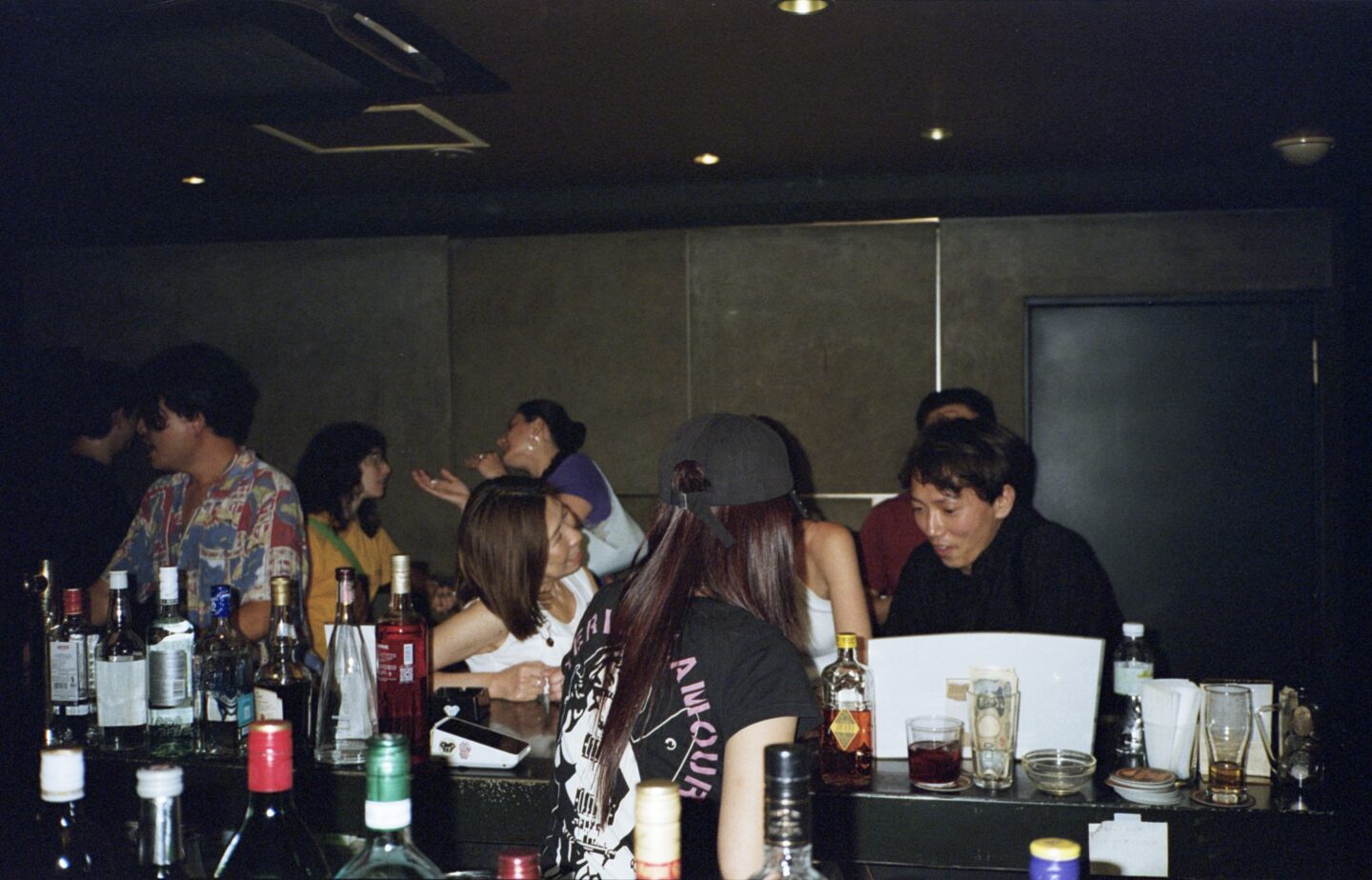
- At a time when culture is going through one of its most difficult periods, the music scene is inevitably feeling the impact. Limited financial resources, changing audience habits, and a growing lack of curiosity and openness to new experiences make everything increasingly difficult and, above all, unsustainable. Milan is still an important testing ground, a place to experiment, learn, observe and develop a critical perspective. What I'd like to see, though, is the knowledge and experience gained here being used to enrich other parts of Italy, where many of the people involved in this scene originally come from. It's a shame that so much energy is concentrated in Milan, while the rest of the country, with a few exceptions, seems almost forgotten. Sabotage attracts quite a diverse crowd, including people from different generations. Some have been following us for years because of our musical research, while others discover us through our events. The challenge, and also one of the most rewarding things, is bringing all these people together on the same dancefloor. When putting together a lineup, we look first and foremost for artists with a strong musical identity and genuine skills, but we also care about giving space to people from minority backgrounds or communities that are still underrepresented or relatively unknown. Inclusion and representation are fundamental to us. We believe an event shouldn't just be about entertainment, but should also be a space that reflects the kind of society we'd like to live in.
-By the way, we were thinking that Sabotage is a pretty bold name. Who or what are you sabotaging (: ?
- Sabotage was born out of the idea of sabotage in the truest sense of the word. Back then, there weren't many alternatives to mainstream and commercial clubbing, and we liked the idea of shaking things up, offering something different, both musically and in terms of values, through research and inclusivity. The first seasons of Sabotage took place in a gay club in Bergamo, a deeply provincial city. It was in that environment that the project really took shape and developed its identity. The venue itself reflected a sense of affinity and solidarity with communities that were often marginalised, in a social environment marked by a strong degree of cultural and social conservatism. Sabotage still carries those ideals and values today. It's not necessarily about sabotaging something in the literal sense anymore, but about continuing to challenge conventions and engage the audience, trying to communicate messages that go beyond music and simple entertainment.
-That makes perfect sense, and thanks for satisfying our curiosity! Now, a little about Luca as a DJ. We noticed that research and taste come up a lot when people talk about you, or with you, regarding your DJ practice. How do you dig these days: records, Bandcamp, mates, places? And what's a track that, the first time you listened to it, you knew it’d be part of your future sets?
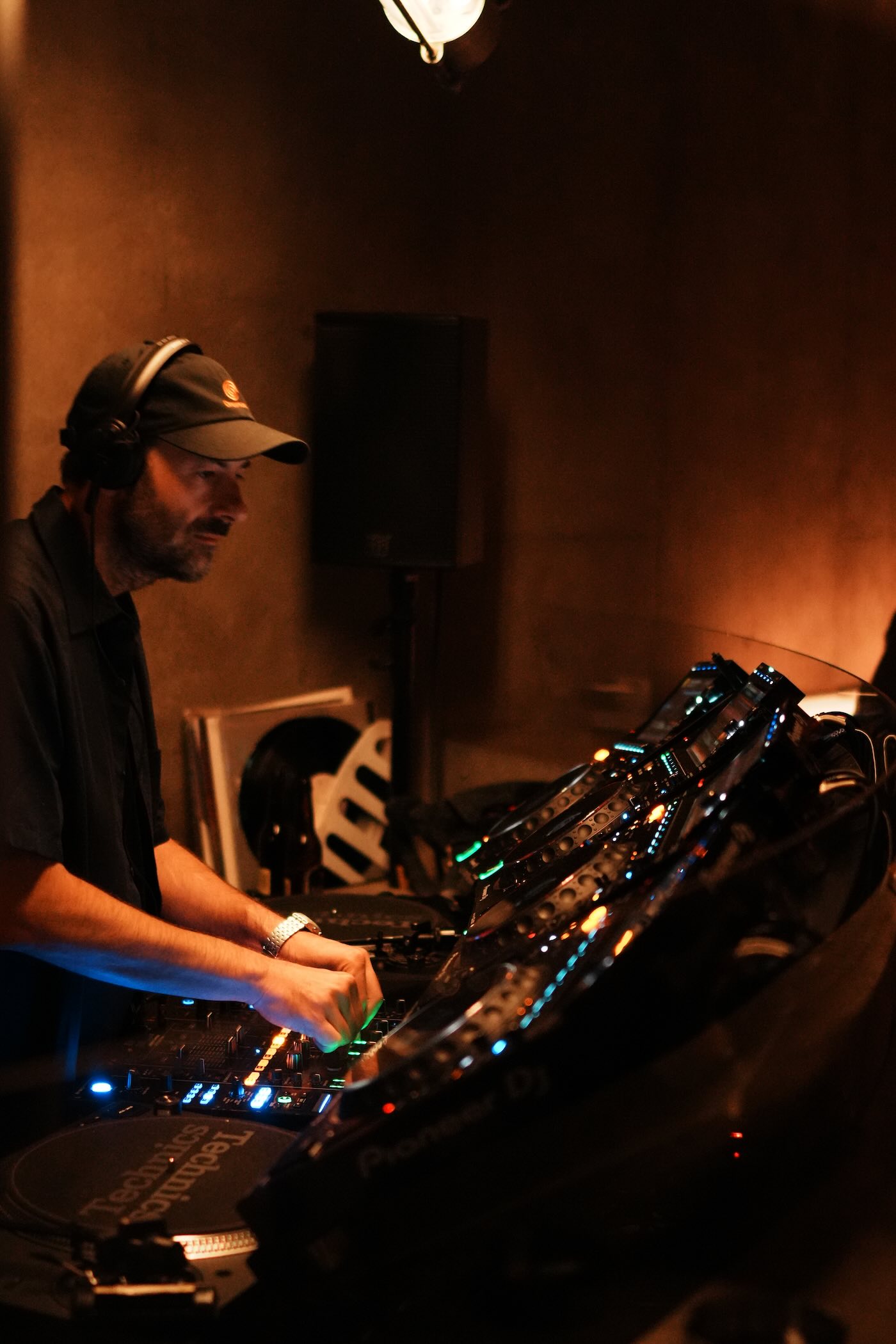
- I dig for music literally everywhere. It could be a quick Shazam while I'm out, a screenshot of a track that catches my attention while scrolling online, or something I randomly hear and want to explore later. When I'm in the studio, I spend hours going through new releases on Bandcamp, following labels and producers I'm into, browsing through thousands of records listed by sellers on Discogs, or hunting down tracks I've heard in sets by DJs I follow. In recent years, with the big vinyl revival, I've also rediscovered the pleasure of digging in record stores. It's something I enjoy because it happens in a more human environment, where you can meet people, have conversations, and exchange opinions and recommendations with shop owners and other record lovers. I'm often genuinely impressed by the quality and talent of some Italian producers I'm friends with when I check out their latest releases. To mention some, artists like Ferrari, with his latest EP on Ryan Elliott's label, Vaudano, with releases on labels like his own Steamy Pizza Box or Soulfuric, or De Sanctis, with his latest EP alongside We Amp, Il Verde È Tuo. Whenever I hear their new bangers, I immediately start imagining how much of a difference those tracks could make in one of my sets. And what makes it even more special is knowing that the people behind them are friends I sometimes get to share the DJ booth with.

-You’re also a producer. How did you get into production, and where are you with it these days?
- I took music production lessons with a really talented producer who even made me buy actual printed manuals and books to study from. There are so many more tutorials available today, they would have been really useful back then! Unfortunately, it's a side of my musical activity that's been on hold for several years, although I'd really love to get back into it. I miss getting hands-on with music and working on something of my own, and I have lots of unfinished projects on my hard drives. Every now and then I make a few small edits of existing tracks, just to make them more suitable for my sets, but working on a release and actually putting it out into the world is a completely different story. I also believe that understanding how a track is produced, its structure and technical aspects, can really help you as a DJ, both in developing your own sound and improving the way you build and mix a set.
-We know you’re a bit of a traveler, and you’ve just come back from a tour in Japan. How was it? And more generally, let's talk about playing abroad. How do you approach a gig away from home: do you land with expectations, or do you deliberately arrive with none? What's the best experience you've had on the road, and what's the worst one you can laugh about now?
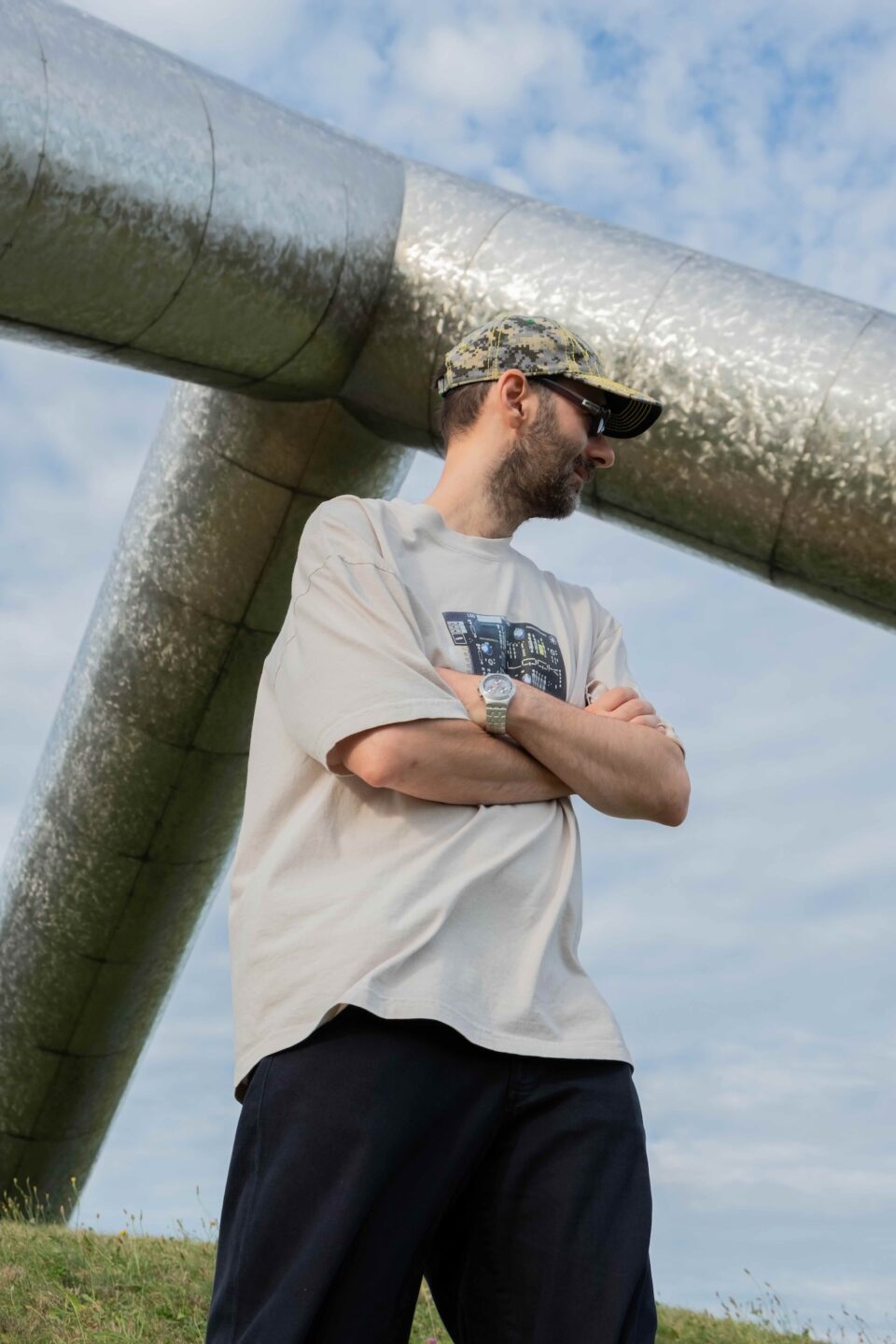
- I think I've partly answered this in the first question, but playing abroad sometimes is a breath of fresh air. For me, DJing isn't something you do just for yourself. It's above all about sharing and exchanging something with the audience. When this ritual happens in front of new people, sometimes from very different cultural backgrounds, and you manage to break down certain barriers and create a special chemistry on the dancefloor, there's something truly magical about it. That exchange also happens off the dancefloor, with other DJs, promoters and people involved in the local scene. I really enjoy sharing opinions with them and understanding how things work elsewhere, discovering similarities and differences compared to where I come from. It's a chance to learn and come home with new perspectives. I never arrive with any particular expectations, but I'm always ready to be surprised and, at the same time, to surprise the people listening. One thing I always try to do when playing abroad is bring along music by producer friends from Italy. I like the idea of exporting a bit of our sound and, why not, giving some well-deserved exposure and support to talented artists beyond our borders. As for this last trip, the worst part was probably discovering the physical limits of carrying all the records I'd bought in Japan. :)
-Dream back-to-back, living or not, no budget, no logistics. Who's on the other side of the decks and what's the first record?
- This is a tough one, and I don't want to sound cringey, lol! I was recently talking to a friend about how lucky I was to play at The Lot Radio in New York last year, which was a really important experience for me. Recently, Thomas Bangalter, one of my youth age idols, also stopped by to play some records there, delivering a truly surprising and unpredictable selection. Imagining our sets crossing paths in that same DJ booth for a b2b would have been incredible. As a first record, Wild Signals from John Williams lol.
-Wild Signals as a first record, I’m in. Very ‘close encounters’ with Bangalter, too. Now, describe to us your ideal day, the “perfect day”, as someone said… From the moment you wake up to the moment you go to bed.
- It would start with some good music playing in the background. I love the idea of waking up and putting on a few records straight away, taking the time to really listen to music in the morning, something I unfortunately only manage to do in the evenings or late at night most of the time. Good food and, above all, good company would be essential: my partner, friends, but also new people to meet. I believe a big part of enjoying any experience comes from being able to share it with others. In the end, my perfect day would be filled with music, good food, people and new discoveries, ending with the feeling that I've gained something from it, that I'm somehow a little richer in experiences than when the day began.
-Vinyl at breakfast, good food, great company and a bit of self-improvement by bedtime. Honestly, that’s a better plan than most of my Saturdays at the moment haha. Now...Ten-plus years in, what's changed most on the dancefloor, and what's the one thing you won't miss at all?
- I think over the years we've lost a bit of that sense of liberation, of letting go and collective ritual that gave birth to so many musical and cultural movements connected to clubbing. I believe it's important to keep that spirit alive, without watering everything down and turning the dancefloor into an increasingly light, superficial experience, stripped of the rebellious energy that made it so important in the first place. Something I definitely don't miss is all those terrible club nights with different entry prices for men and women. I'd like to think we've moved towards a more equal club culture, where these kinds of practices are becoming a thing of the past. Or maybe they've just disappeared from my bubble!
Now some of our classic rapid ones:
-If you were a colour which one you’d be?
- Black.
-A geometric shape?
- Circle.
-An object?
- Photo Camera.
-A city?
- Paris.
-An album?
- Talking Heads - Speaking in Tongues
-A time of day?
- 7PM.
-An food?
- Pizza.
-A means of transport?
- A Shinkansen.
-A Milan neighbourhood?
- Sempione.
-A word you'd ban from every flyer, forever?
- Vinyl Only.
-The track you'd play to save a dying dancefloor?
- Mike Dunn – Phreaky MF
-The one thing that will never be on your hospitality and your tech rider?
- MEA.
-Last one, if you don’t mind… What's the question nobody has ever asked you, and that you'd love to be asked?
- I’d say: what’s one thing you'd like to see change in your country?
-…and what would your answer be?
- Definitely the importance and recognition given to culture and music, which still receive far too little support in Italy. We need more investment, funding and accessible spaces, made available through simple, transparent and merit-based processes, so that independent projects and organisations have a real chance to develop and grow. But above all, we need a greater awareness that culture and music shouldn't be treated like any other business or reduced to something that only matters if it makes money. Its value cannot be measured purely in economic terms. Culture is a fundamental tool for growth, emancipation and change. It's one of the most powerful things we have to build a better society.
-Grazie Luca, thanks so much for this chat, it’s been a real pleasure.