APPAREL INTERVIEW:

Jimi Tenor
Producer, Musician [Finland]


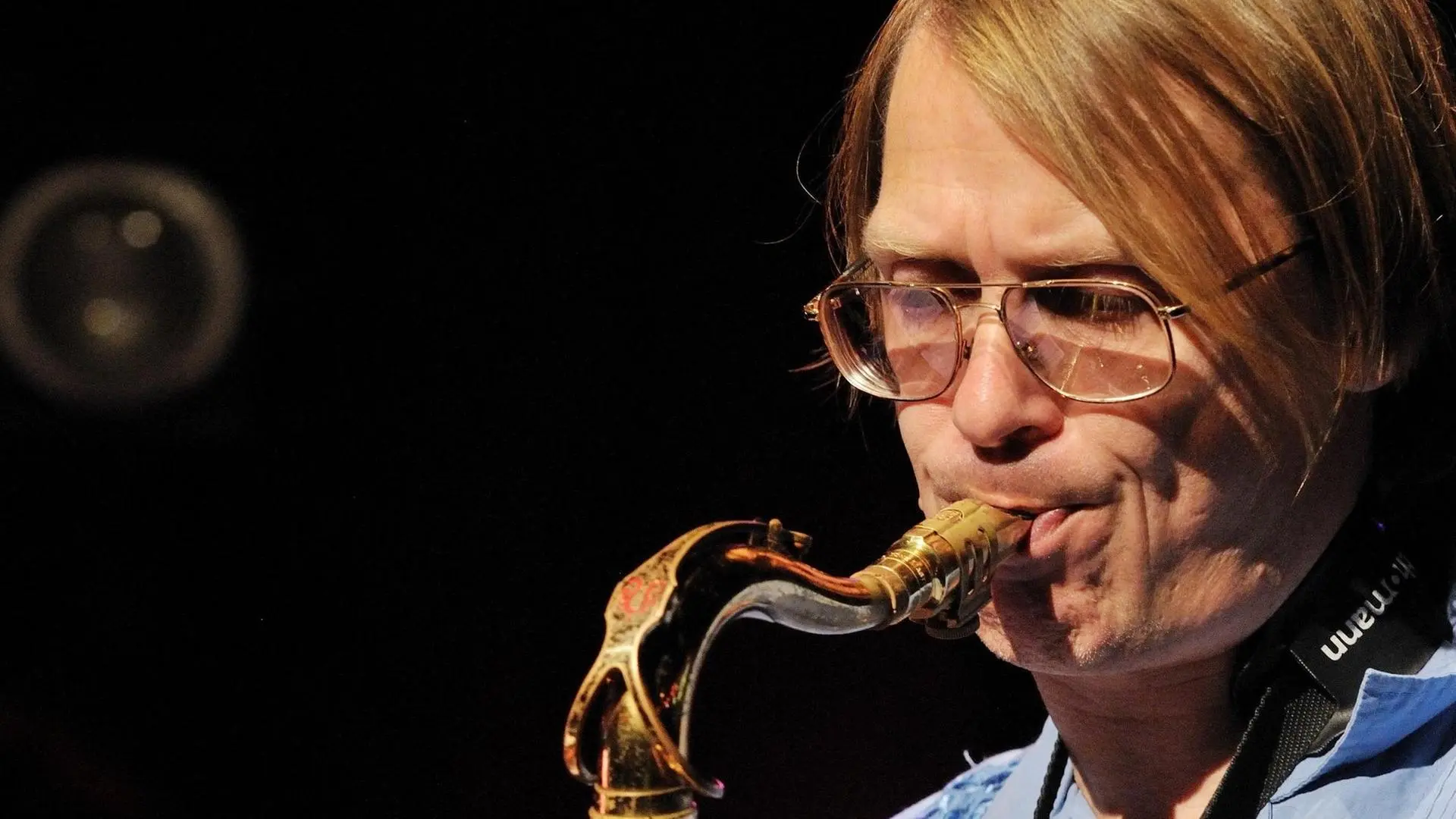
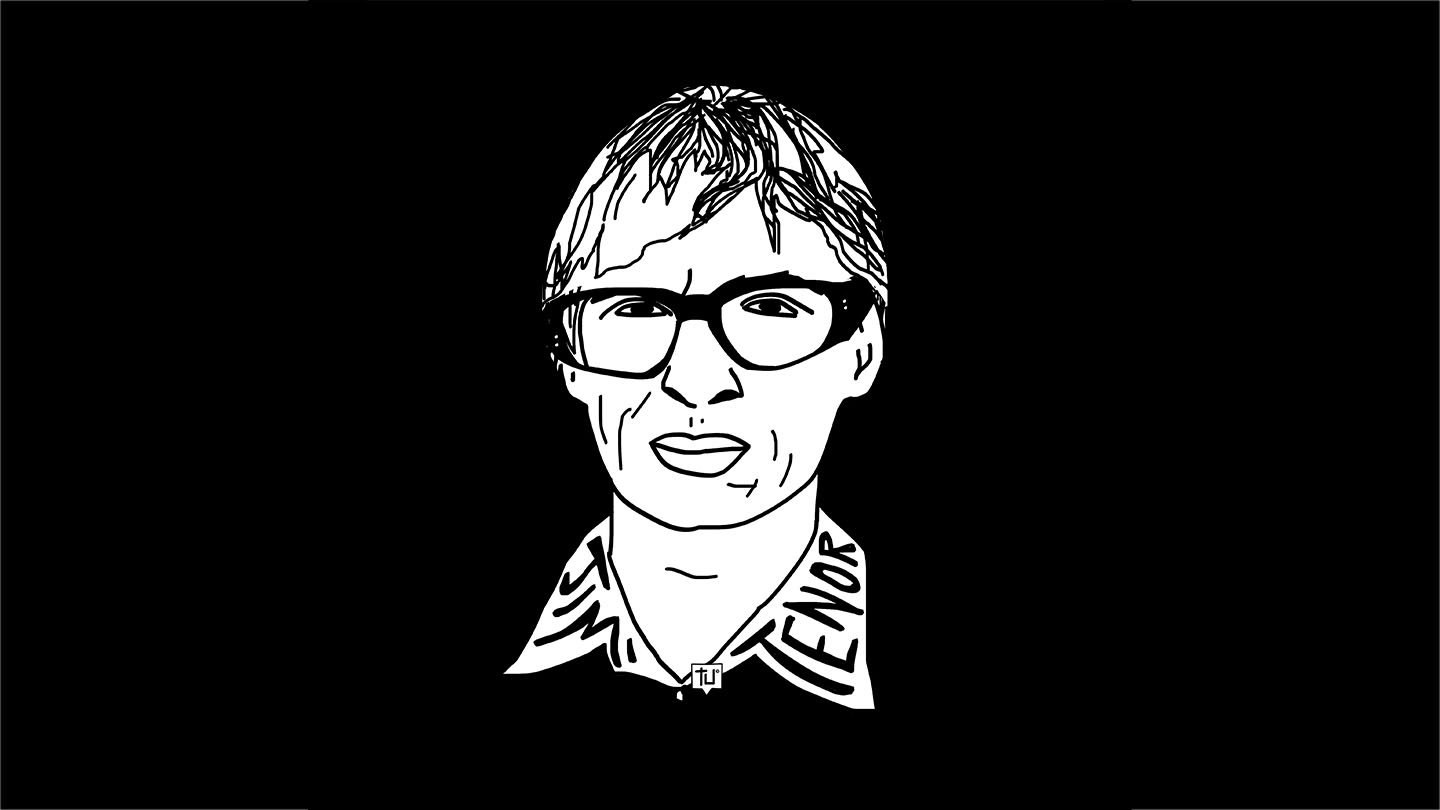
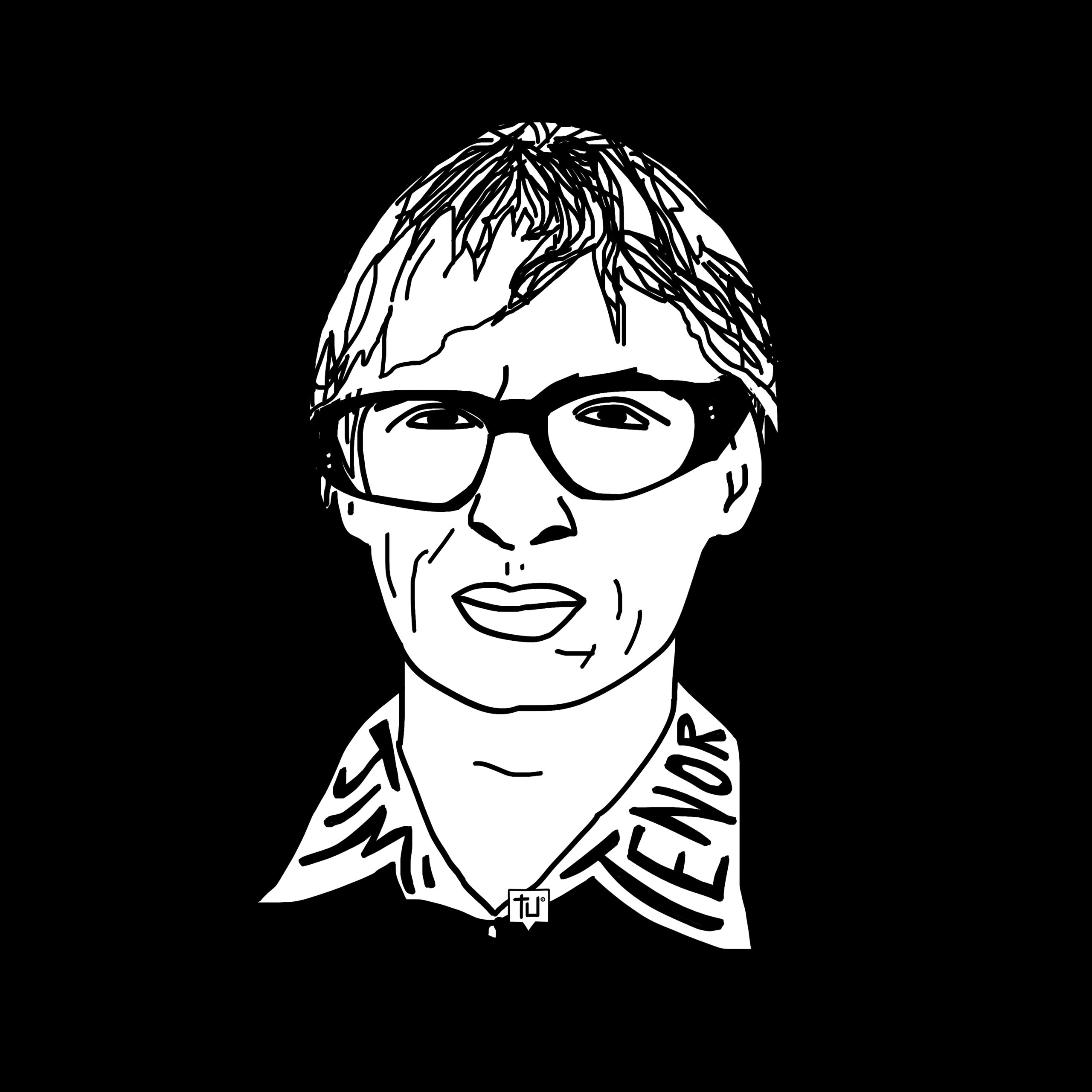
Hey Jimi, we’re really glad to have you on Apparel Interview. Since we’ve long been fans of your music, always inspiring, and since curiosity is pretty much in our DNA, we’re taking this moment as a chance to sit down with you for a conversation that starts from the present and then wanders into other territories. Thanks for taking the time to talk with us!


APPAREL INTERVIEW:

Jimi Tenor
Producer, Musican [Finland]


Hey Jimi, we’re really very glad to have you on Apparel Interview. Since we’ve long been fans of your music, always inspiring, and since curiosity is pretty much in our DNA, we’re taking this moment as a chance to sit down with you for a conversation that starts from the present and then wanders into other territories. Thanks for taking the time to talk with us!


parallax background


Jimi Tenor Q&A


-Let’s start from the end. Selenites, Selenites! arrives as the debut of the newly formed Jimi Tenor Band (Eeti Nieminen, Heikki Tuhkanen, Ekow Alabi Savage e Lauri Kallio). So the first thing we’d like to know is how the band came together and how does it feel to finally capture on record what you guys have been building live... What was the spark that made you say “now is the time”?

- We started during the Covid pandemic. In Finland there was no real lockdown, but still it wasn’t possible to go to rehearsal rooms. So we started the band by singing in my kitchen, drinking some beers. During the summer covid calmed down so we played some outdoor gigs and they went really well. When it was possible to go abroad we took along Ekow Alabi Savage. I have played with him for 20 years now. We first did together Ekow’s solo album “Dr. Afrodub” in Lauri’s countryside studio. After that, we felt like we could start to put together our own album as well. We had been playing some of the songs already live, so it was quite natural to go to the studio..


-The record blends soul, afrobeat, spiritual jazz and funk, with rich choral vocals and live-band energy. If you feel like it, could you tell us if there is a guiding vision or mood when you start writing your music? Are you normally chasing a specific sonic atmosphere or you just get carried away in the moment, without thinking too much about the context?

- Oh, I think we had pretty much the songs ready before going to studio. We wanted to play them as live as possible. There are a couple of doublings with horns and percussion. We did a couple of overdub vocals as well. I didn’t have any fancy mixing ideas this time. Just wanted the songs out in fairly simple style.


-As you just mentioned, some sessions took place at Lauri Kallio’s ‘Kiikala Center of the Universe’ studio and others in Hamburg with Tobias Levin. Can you tell us a bit about how different spaces influence your creative process, and where you usually start writing music or sketching out ideas before they take shape?

- We went to Lauri’s place to record because he was already creating his solo album “Turtles, Cats and Other Creatures”. He wanted Ekow to record some percussion and then we thought we could record some of our band’s album tracks back to back with Lauri’s sessions. It was a win-win situation for all of us. Regarding the Hamburg sessions, they’ve been quite different. It’s a classic studio with plenty of vintage gear. Tobias is a great engineer, so it was convenient for us. We played upstairs in Westwerk my birthday gigs and during the day we were in the studio recording.


-Alright, thanks for explaining the whole process. Now, let's shift gears a bit and talk about the labels you’ve worked with (we’re always curious about the environments that surround your music). There’s Bureau B, and of course there’s Warp, which many consider a defining chapter of your path. Thinking about these experiences, what did you take from the partnership with Bureau B, and how did the relationship with Warp first start?

- Warp happened after I had released my second album “Europa” on Sähkö Recordings. Steve Beckett had seen me performing in Vienna and he found my phone number from Sähkö, I think. I was living in an old communist party dance hall and we had just installed a landline phone there. I was recording there and the phone rang… Well, afterwards we went to meet everybody at Warp in Sheffield. They were really nice people. I was surprised that people were listening to my Sähkömies-album during a party. I wasn’t really aware that my music was being listened to in earnest. I have had nice experience releasing material by Bureau B. They have really taken good care of my releases and this band album of course is new territory for us all. It’s all new material and it’s band music. Quite acoustic too. Let’s see how it goes!


-In your ‘My 6 Gems’ selection (available on our website), you mentioned your girlfriend Nefertyti and a number of West African records that clearly left an impression on you. How did you first get introduced to that world of music, and how has sharing it with someone close to you, like Nefertyti, who’s a DJ herself, shaped the way you discover and connect with these sounds?

- Except from Fela, my knowledge of African music was not so great, before I started to work with the Kabukabu guys around 2004. What actually happened is that Armin, a guy from Berlin Jazz radio, hooked us up. He also introduced me to highlife music. Gradually I started to learn more about the rhythms. In the beginning I had a hard time to figure out where I could fit in the beats while playing, but gradually it has been getting easier. I actually take a very relaxed attitude towards the harder rhythms these days. If I can’t figure something out, it doesn’t really bother me. I know I have some serious skills in music, and that there are things I don’t understand. I am ready to admit it, if I don’t understand something. Nefertyti (who’s now my wife) has music on all the time in our house. That’s great because I’m a bit lazy looking for new music. Last couple of years we’ve been listening a lot to Brazilian music, African music and 50’s and 60’s electronic music.




-Alright, this is where we get a bit nosey. What does a typical day look like for you these days? Could you walk us through your mornings, how you start off, the little habits or rituals that help you settle into your day, and what gets you into a creative headspace before you touch any instruments or gear?

- Well, the first thing for me in the morning is coffee. After that I start to make music. I normally write new music in the morning when I’m not 100% awake or something. It’s easy for me to find a flow state in the mornings. Then after lunch I practice saxophone and flute. Or, if we have rehearsals scheduled, I practice my parts in advance. I might write some sheet music for the horn players. I don’t need any rituals to start to create. I tend to have some projects lined up all the time. It’s just my natural way of being. I realise that since I write so much music there’s not enough hours in a day to practice enough sax and flute. It’s just a fact of life! But I try my best. If I have a solo gig that week, I set up my gear and check that everything works properly, and the I rehearse the set a couple of times.


-On your studio desk right now: what 3 objects, food, drink or instruments you’d say you can’t live without? It can be anything...

- A coffee cup, Korg MS20, 90’s Sony MDR-V6 studio headphones..


-After focusing on some specific aspects of your music and work, let’s take a broader, wide-angle perspective. How do you experience the current state of music today? Looking at the scenes, the sounds, and the way people create and consume music, what excites you, what challenges you, and how do you see your own work fitting into or responding to this present moment?

- Among my musician friends most of people agree that perhaps in some sense recorded music was at it’s top level somewhere during the 50’s or early 60’s. There was still a lot of demand for music that was played by people, so the basic musicianship standard was high. Even at that time, the studio was already equipped with high-quality gear. Great microphones, top audio engineers, and so on. Of course 60’s was still similar. One had to be able to perform the song really well when you step inside a recording studio. Gradually, things started to change: multitrack recording, drum machines, sequencers, computers, and now AI have all left their mark on musicians’ lives. I’ve managed to survive within this system partly because I’ve always been interested in electronic music. I’ve also been able to work on soundtracks for documentary films. But I do think AI will eventually replace human composers in the documentary world, unfortunately. Some of my friends who write film scores and music for commercials say they already feel the impact. They just aren’t getting the jobs they used to get..


-You’ve lived in a bunch of different places, and each one has its own vibe. What did those cities actually leave with you on a personal level, what stuck, what shaped you, what still echoes in the way you feel and think today?

- I feel it was essential for me to spend what I consider my most formative years outside of Finland. Finland is far from where things are happening, and when you’re young you really need to get out and explore. These days I’m playing gigs across Europe most weekends, so I still feel plenty connected to the music world. I love performing, so this lifestyle suits me well.


-To close our chat in our usual way, here are some quick ones to get to know you a bit better. If you were a city, which one would you be, and why?

- Maybe Atlantis. People know about it but it’s a mystery. Is it even real?


-Which geometric shape fits your vibe right now?

- Self-intersecting Polygon. My thoughts look like that most of the time.


-If you were an object?

- A mixed media art piece. Something that has wooden planks nailed on it.


-And if you were an animal?

- A cat for sure.


-What’s one everyday noise that you can’t stand?

- Washing machine in a spin mode.


-What human quality do you value the most?

- Creativity!


-Which is your favorite musical instrument and why?

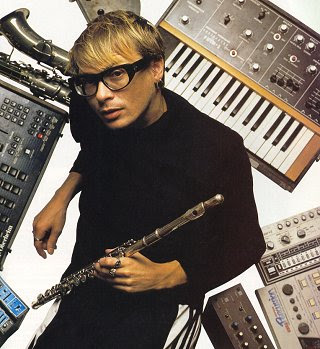
- It would have to be the flute. I’ve spent a big part of my life with flutes of all kinds. I love the tone of wooden and bamboo flutes, but for practical reasons I mostly play a Böhm flute. I do have a wooden Böhm as well, though it still ends up sounding like a standard Western flute. I keep wishing someone would make a truly wooden-sounding chromatic flute. If it exists, I haven’t found it yet. Does it even exist?


-If you were forced to listen to just one record for the rest of your days, which one would it be?

- Some years ago I would have said “Karma” by Pharoah Sanders. But I’ve listened to it too much. This is hard. Maybe some Duke Ellington’s compilation!


-That’s a wrap Jimi! Thank you so much for your time. We’ve been living with Selenites, Selenites! for a while now, and it keeps revealing new corners every time. Can’t wait to see where your antenna points next. Looking forward to whatever strange and beautiful path you decide to carve next. Until next time, keep the signals coming!

- Yes, thank you very much. I’m happy you have been listening to the album. It’s the result of our best efforts at this moment in time. I’m happy we did it. What’s great about music is that you get to hang out with people. The days can be stressful and require a lot of focus, but then there are those moments of pure ecstasy when everything clicks and the music truly comes alive!


-Alright, this is where we get a bit nosey. What does a typical day look like for you these days? Could you walk us through your mornings, how you start off, the little habits or rituals that help you settle into your day, and what gets you into a creative headspace before you touch any instruments or gear?

- Well, the first thing for me in the morning is coffee. After that I start to make music. I normally write new music in the morning when I’m not 100% awake or something. It’s easy for me to find a flow state in the mornings. Then after lunch I practice saxophone and flute. Or, if we have rehearsals scheduled, I practice my parts in advance. I might write some sheet music for the horn players. I don’t need any rituals to start to create. I tend to have some projects lined up all the time. It’s just my natural way of being. I realise that since I write so much music there’s not enough hours in a day to practice enough sax and flute. It’s just a fact of life! But I try my best. If I have a solo gig that week, I set up my gear and check that everything works properly, and the I rehearse the set a couple of times.


-On your studio desk right now: what 3 objects, food, drink or instruments you’d say you can’t live without? It can be anything...

- A coffee cup, Korg MS20, 90’s Sony MDR-V6 studio headphones..


-After focusing on some specific aspects of your music and work, let’s take a broader, wide-angle perspective. How do you experience the current state of music today? Looking at the scenes, the sounds, and the way people create and consume music, what excites you, what challenges you, and how do you see your own work fitting into or responding to this present moment?

- Among my musician friends most of people agree that perhaps in some sense recorded music was at it’s top level somewhere during the 50’s or early 60’s. There was still a lot of demand for music that was played by people, so the basic musicianship standard was high. Even at that time, the studio was already equipped with high-quality gear. Great microphones, top audio engineers, and so on. Of course 60’s was still similar. One had to be able to perform the song really well when you step inside a recording studio. Gradually, things started to change: multitrack recording, drum machines, sequencers, computers, and now AI have all left their mark on musicians’ lives. I’ve managed to survive within this system partly because I’ve always been interested in electronic music. I’ve also been able to work on soundtracks for documentary films. But I do think AI will eventually replace human composers in the documentary world, unfortunately. Some of my friends who write film scores and music for commercials say they already feel the impact. They just aren’t getting the jobs they used to get..


-You’ve lived in a bunch of different places, and each one has its own vibe. What did those cities actually leave with you on a personal level, what stuck, what shaped you, what still echoes in the way you feel and think today?

- I feel it was essential for me to spend what I consider my most formative years outside of Finland. Finland is far from where things are happening, and when you’re young you really need to get out and explore. These days I’m playing gigs across Europe most weekends, so I still feel plenty connected to the music world. I love performing, so this lifestyle suits me well.


-To close our chat in our usual way, here are some quick ones to get to know you a bit better. If you were a city, which one would you be, and why?

- Maybe Atlantis. People know about it but it’s a mystery. Is it even real?


-Which geometric shape fits your vibe right now?

- Self-intersecting Polygon. My thoughts look like that most of the time.


-If you were an object?

- A mixed media art piece. Something that has wooden planks nailed on it.


-And if you were an animal?

- A cat for sure.


-What’s one everyday noise that you can’t stand?

- Washing machine in a spin mode.


-What human quality do you value the most?

- Creativity!


-Which is your favorite musical instrument and why?

- It would have to be the flute. I’ve spent a big part of my life with flutes of all kinds. I love the tone of wooden and bamboo flutes, but for practical reasons I mostly play a Böhm flute. I do have a wooden Böhm as well, though it still ends up sounding like a standard Western flute. I keep wishing someone would make a truly wooden-sounding chromatic flute. If it exists, I haven’t found it yet. Does it even exist?


-If you were forced to listen to just one record for the rest of your days, which one would it be?

- Some years ago I would have said “Karma” by Pharoah Sanders. But I’ve listened to it too much. This is hard. Maybe some Duke Ellington’s compilation!


-That’s a wrap Jimi! Thank you so much for your time. We’ve been living with Selenites, Selenites! for a while now, and it keeps revealing new corners every time. Can’t wait to see where your antenna points next. Looking forward to whatever strange and beautiful path you decide to carve next. Until next time, keep the signals coming!

- Yes, thank you very much. I’m happy you have been listening to the album. It’s the result of our best efforts at this moment in time. I’m happy we did it. What’s great about music is that you get to hang out with people. The days can be stressful and require a lot of focus, but then there are those moments of pure ecstasy when everything clicks and the music truly comes alive!